



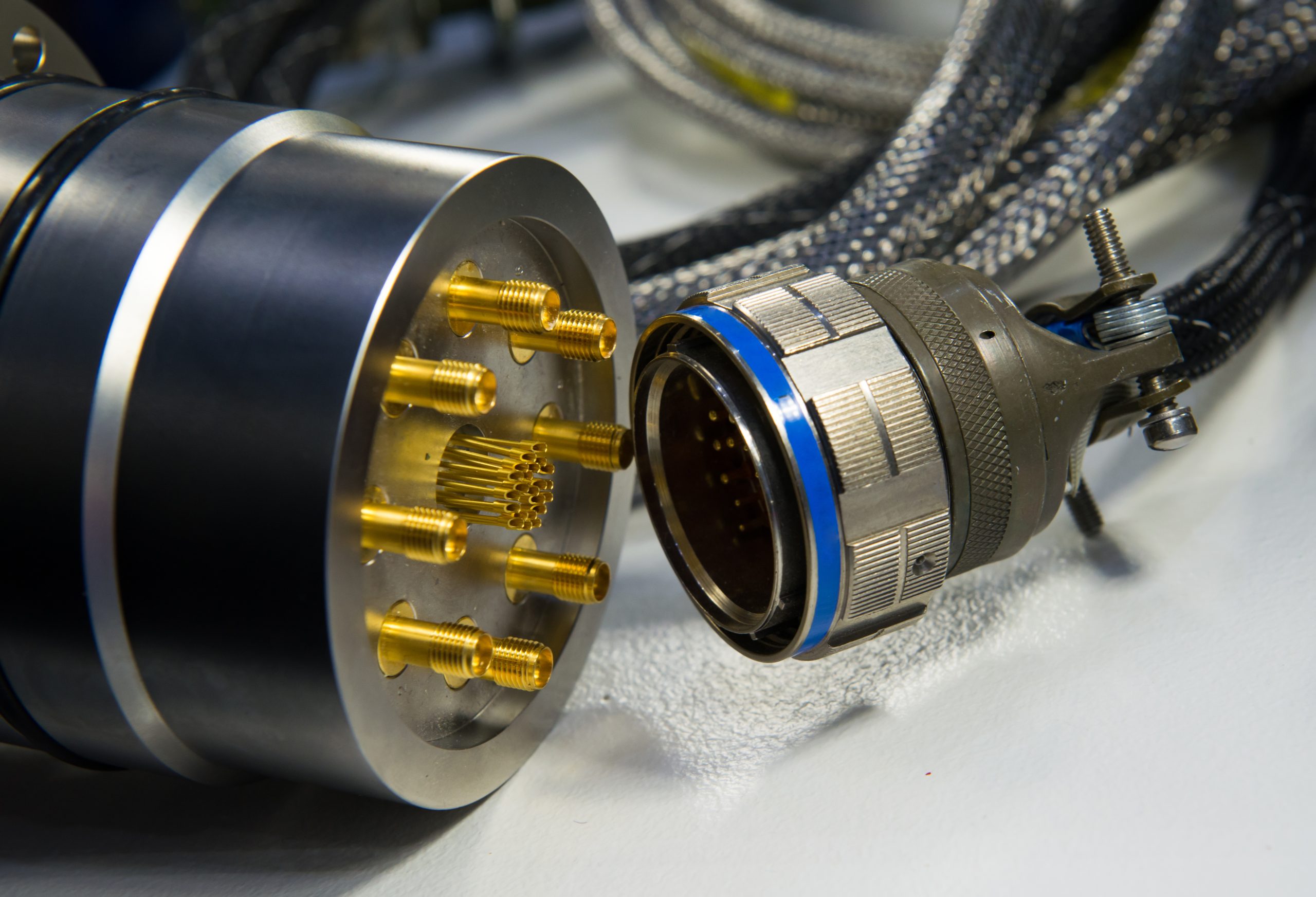
As electronic systems become more compact and interconnected, fitting multiple electrical connections into limited installation space can become challenging. Equipment may need to support power distribution, control signals, data transmission, and communication through numerous interconnects. Conventional cable arrangements can occupy valuable space, restrict access to surrounding components, and complicate installation. High-density cable assemblies help address these challenges by combining multiple electrical connections into organized configurations.
Achieving an effective cable assembly configuration requires more than selecting compact connectors. Connector selection, cable routing, signal integrity, shielding, flexibility, and mechanical durability all influence assembly performance. This article explains how high-density cable assemblies support compact electronic systems, where they are commonly used, and which factors to consider when specifying a solution.
What Are High-Density Cable Assemblies
High-density cable assemblies combine multiple electrical connections into a coordinated configuration using compact connectors, suitable conductors, and application-specific termination methods. Their configuration depends on circuit requirements, conductor size, insulation, shielding, and connector compatibility. These factors determine how the assembly fits within the equipment while meeting electrical performance, routing, installation, and maintenance requirements.
How High-Density Cable Assemblies Address Space and Interconnect Challenges
Several factors influence how high-density cable assemblies manage limited space and multiple electrical connections, including:
- Increasing Connector Density: High-density connectors accommodate multiple electrical contacts within a compact interface, reducing the space required for individual connections. Connector selection should account for contact arrangement, voltage and current ratings, mating cycles, and accessibility to meet the application’s electrical and mechanical requirements.
- Improving Cable Routing: High-density cable assemblies consolidate multiple connections into organized configurations, simplifying routing through compact enclosures and equipment. Proper routing should account for bend radius, connector orientation, strain relief, and component clearance to prevent cable stress and maintain access for installation and maintenance. For moving equipment, cable routing and construction must accommodate the expected range of motion without excessive bending or mechanical strain.
- Optimizing Space Utilization: Consolidating multiple interconnects can reduce cable congestion and improve access to components within compact electronic systems. However, overall space savings depend on connector dimensions, cable diameter, shielding, bend requirements, and installation clearances, which must be evaluated during assembly planning.
- Maintaining Signal Integrity: Closely routed electrical circuits can experience electromagnetic coupling and interference that affect signal quality. Suitable conductor arrangements, impedance control, circuit separation, and termination methods help manage these risks. Depending on the application, twisted pairs or specialized cable types may also be necessary. The appropriate configuration depends on signal frequency, transmission requirements, grounding, connector characteristics, and the equipment’s electromagnetic environment.
- Balancing Flexibility and Serviceability: Compact cable assemblies must meet installation constraints and accommodate required movement without compromising durability. Applications involving repeated motion may require cables suitable for dynamic flexing. Conductor stranding, jacket materials, bend radius, and flex life influence flexibility and service life. Accessible connectors, clear cable identification, and adequate maintenance clearance help simplify servicing.
- Integrating Shielding and Mechanical Protection: Shielding helps control electromagnetic interference, while braiding, protective sleeving, and suitable jackets provide resistance to abrasion and vibration. Shielding coverage, termination methods, grounding, and protective materials should match the electrical environment and mechanical requirements without unnecessarily increasing assembly size or restricting cable movement.
How Industries Benefit from High-Density Cable Assemblies
High-density cable assemblies serve a range of industries where compact connections, organized cable routing, and application-specific electrical performance are important.
- Industrial Automation and Machinery: High-density cable assemblies consolidate connections for sensors, actuators, controllers, and communication systems. Organized cable routing helps integrate these connections within compact control cabinets and machinery while supporting installation and maintenance.
- Robotics and Motion-Control Equipment: Robots require connections for motors, sensors, feedback systems, and data communication. High-density cable assemblies can consolidate these connections, provided the cable construction, routing, and strain relief accommodate the equipment’s movement and flex-life requirements.
- Transportation and Specialty Vehicles: Vehicle electronics must fit within restricted spaces while withstanding vibration and temperature variations. High-density cable assemblies help organize connections between control units, monitoring devices, and communication systems while meeting space, weight, and installation requirements.
- Medical and Electronic Equipment: Diagnostic instruments and electronic devices often contain sensitive circuits within compact enclosures. Suitable cable and connector configurations help accommodate multiple connections while addressing signal integrity, shielding, and electrical performance requirements.
- Aerospace and Defense Systems: Space-constrained equipment requires carefully organized interconnects that meet application-specific reliability requirements. High-density cable assemblies help consolidate multiple circuits while addressing routing, weight, mechanical durability, and environmental conditions specified for each application.
Factors to Evaluate When Specifying High-Density Cable Assemblies
Electrical, mechanical, environmental, and manufacturing requirements determine whether a high-density cable assembly will fit the equipment and perform reliably. Evaluating these requirements before production helps identify integration issues and avoid unnecessary modifications.
- Electrical Performance: Specify the circuit count, voltage and current ratings, signal types, and data rates before selecting cable and connector components. Evaluate impedance requirements, crosstalk risks, and electrical separation to maintain signal quality and meet the equipment’s operating specifications.
- Connector and Termination Options: Select connectors that meet contact-density requirements, electrical ratings, and mating specifications. Choose suitable termination methods and ensure connection points remain accessible for installation, inspection, and maintenance without disturbing adjacent components.
- Cable Routing and Mechanical Requirements: Map cable paths within the equipment and account for bend radius, strain relief, movement, and clearance around surrounding components. For applications involving repeated motion, select cable constructions that withstand frequent flexing and mechanical stress without compromising electrical performance or service life.
- Shielding and Environmental Protection: Assess potential sources of electromagnetic interference and determine whether individual shielding, overall shielding, or other protective measures are appropriate for the application. Select cable jackets and protective materials that withstand the expected operating temperatures, moisture, chemicals, abrasion, and vibration.
- Manufacturing and Quality Testing: Assembly requirements should support consistent production, repeatable terminations, and straightforward inspection. Depending on customer specifications, testing may include continuity checks, pin-to-pin verification, insulation resistance testing, visual and dimensional inspection, or additional electrical and mechanical checks. Prototype assemblies can help identify routing conflicts, termination issues, and connector-access limitations before production volumes increase.
- Maintenance and Expansion: Account for cable identification, replacement access, and potential changes in circuit requirements. Clear labels and organized routing help technicians trace connections, troubleshoot faults, and replace components efficiently. Adequate service access can also reduce maintenance time and simplify future equipment modifications.
Evaluating these factors during specification and production planning helps balance connection density with electrical performance, mechanical durability, manufacturability, and long-term serviceability.
Custom High-Density Cable Assemblies for Your Application
Integrating multiple circuits into limited space requires careful attention to connector selection, cable routing, electrical performance, and installation requirements. Stantek Manufacturing, LLC provides low-to-mid-volume contract manufacturing for cable assemblies and wire harnesses based on customer drawings, specifications, and application requirements. For projects involving complex equipment layouts or restricted installation space, Stantek can support cable assembly production with attention to termination quality, routing requirements, and application-specific testing. Contact Stantek to discuss your cable assembly requirements and explore a suitable solution for your equipment.