



Transformer Assemblies
Precision transformer assemblies for efficient power conversion applications.
READ MOREStantek is a U.S.-based electromechanical contract manufacturer providing custom electromechanical assemblies for OEM and industrial applications. Located in Stanton, Kentucky, Stantek integrates customer-specified electrical and mechanical components into assemblies manufactured according to approved drawings, specifications, and production requirements.
With more than 100 years of combined team experience, Stantek supports initial design consultation, manufacturability feedback, prototyping, and low-to-mid-volume manufacturing. From individual subassemblies to complex electromechanical assemblies, our focus is on consistent production, quality-focused processes, and dependable integration into customer systems.
Stantek manufactures different types of electromechanical assemblies for customer-specific equipment and system requirements. Explore the available product categories to identify an assembly suited to your application.
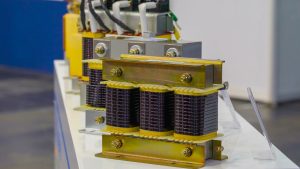
Precision transformer assemblies for efficient power conversion applications.
READ MORE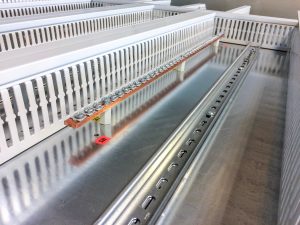
Pre-assembled DIN rail solutions simplifying industrial control panel installation.
READ MORE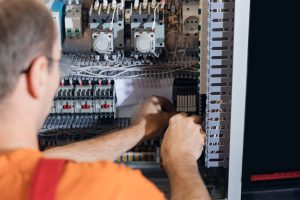
Integrated assemblies delivering stable and dependable power distribution.
READ MORE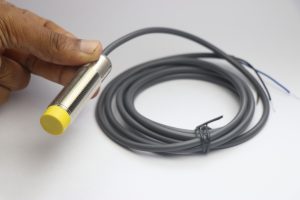
Custom assemblies integrating switches and sensors for accurate system control.
READ MORE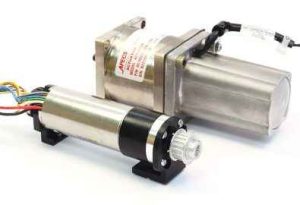
Integrated motor assemblies manufactured for dependable industrial performance.
READ MOREElectromechanical assembly manufacturing requires consistent workmanship, component integration, and verification against applicable product specifications and customer acceptance criteria.
Stantek maintains an ISO 9001:2015 quality management system through Smithers Quality Assessments. View Certificate Inspection and verification requirements are established according to the relevant drawings, specifications, and project documentation.
IPC/WHMA-A-620 may apply to wire harnesses and cable assemblies incorporated into electromechanical products. J-STD-001 may be relevant where soldered electrical connections are involved. Applicability depends on the product and contract; neither standard should be interpreted as automatic certification of every electromechanical assembly.
Stantek also maintains DDTC registration and ITAR compliance for applicable defense-related work. Customers should identify any program-specific requirements for documentation, traceability, component handling, and regulatory compliance when requesting a quotation.
Stantek provides electromechanical manufacturing capabilities for integrating customer-specified electrical and mechanical components into functional assemblies.
Depending on the project requirements, manufacturing capabilities may include:
Production follows customer drawings, specifications, bills of materials, approved components, and defined acceptance criteria. The exact scope depends on the assembly configuration and confirmed manufacturing capabilities for the project.
Inspection and testing help confirm that an electromechanical assembly meets its specified requirements before shipment or integration into customer equipment.
Depending on the assembly and project requirements, verification may include:
Testing methods depend on the assembly configuration and agreed acceptance criteria. Specific testing requirements should be confirmed during project review rather than assumed to apply to every assembly.
Stantek follows a structured production process based on each project’s specifications, manufacturing requirements, and acceptance criteria.
The process and verification steps vary according to the assembly configuration, approved documentation, and customer requirements.
Stantek supports electromechanical assembly requirements for OEM and industrial applications, including applicable aerospace, defense, industrial equipment, and automotive or transportation programs.
Electromechanical assembly requirements vary according to component selection, mechanical fit, wiring layout, mounting methods, labeling, and functional requirements. Stantek reviews the supplied drawings, bill of materials, and assembly specifications to evaluate manufacturing requirements and prepare quotations.
Stantek supports applicable prototype builds and low-to-mid-volume production programs for customers requiring repeatable electromechanical assembly manufacturing.
During project review, Stantek can provide initial design consultation and manufacturability feedback based on customer-supplied drawings, specifications, and component requirements. This helps identify relevant production considerations before manufacturing begins.
Once the requirements are confirmed, assemblies are produced according to approved documentation and defined acceptance criteria. This supports consistency as a project progresses from prototype builds to recurring production.
Providing complete project information helps Stantek assess the manufacturing scope and prepare a more accurate quotation.
Where available, include:
If some information is not yet available, share your current drawings and project details so the manufacturing scope can be reviewed.
Need custom electromechanical assemblies built to your specifications? Contact Stantek to discuss your requirements and request a quote.
Share your available drawings, bill of materials, component specifications, assembly requirements, required quantities, and target schedule. Our team will review the information provided and identify any additional details needed to evaluate your project. Whether you require prototype assemblies or low-to-mid-volume production, Stantek can assess your requirements based on your specifications. Get in touch to discuss your custom electromechanical assembly needs.
Request A QuoteElectromechanical assembly is the process of integrating electrical components (such as wiring, connectors, and control elements) with mechanical parts into a single functional unit. These assemblies are used in systems that require both electrical operation and mechanical movement or structure.
An electromechanical assembler builds and integrates components into a complete assembly by following technical drawings and specifications. This includes installing electrical wiring, mounting mechanical parts, routing cables, and performing inspection and testing to ensure proper functionality and reliability.
A common example of an electromechanical system is an industrial control panel, where electrical circuits, relays, switches, and mechanical enclosures are combined to control machinery or automation systems. Other examples include robotics, medical devices, and automotive control systems.
Yes, electromechanical assemblies can be customized based on application requirements, including component selection, enclosure design, wiring configuration, and environmental considerations. Manufacturers like Stantek provide initial design support and focus on precise, low-to-mid volume production.
An electromechanical contract manufacturer produces assemblies according to customer drawings, specifications, bills of materials, and defined manufacturing requirements. Services may include mechanical assembly, electrical integration, wiring, component installation, inspection, testing, documentation, and low-to-mid volume production.
Yes. Stantek supports complex electromechanical assembly projects that require the integration of multiple electrical and mechanical components. Projects are manufactured according to customer specifications, with applicable inspection, testing, documentation, and traceability requirements.
Electromechanical assemblies are used in industries including industrial automation, aerospace, defense, medical, automotive and transportation, marine, robotics, and heavy equipment. They are commonly used in control systems, specialized equipment, machinery, and other OEM applications requiring integrated electrical and mechanical functionality.