



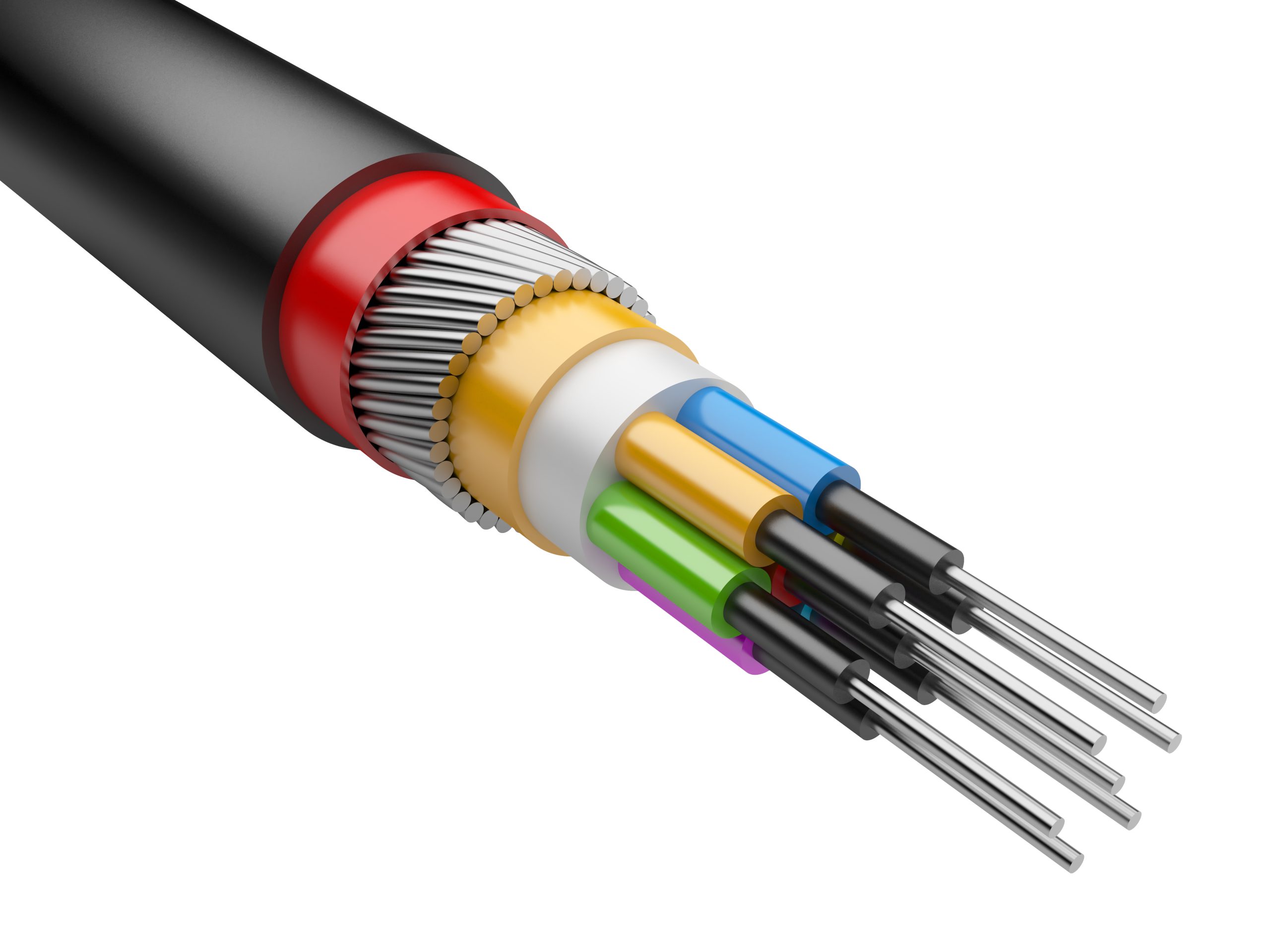
How Braided Shielding Helps Reduce Electromagnetic Interference
Braided shielding uses conductive strands woven around individual wires, groups of wires, or complete wire harness assemblies. The conductive braid helps limit electromagnetic coupling between the harness and surrounding electrical environment.
Braided shielding can help control EMI in the following ways:
- Reducing Electromagnetic Coupling: The conductive braid creates a shielding layer around the conductors, helping reduce the amount of external electromagnetic energy that couples into the circuit. This can be particularly important for sensitive power, control, communication, and data signals.
- Supporting Signal Integrity: By limiting unwanted electromagnetic interference, a properly designed braided shield can help maintain the quality and reliability of electrical signals. This is important for applications where signal accuracy and consistent data transmission are critical.
- Controlling Electromagnetic Emissions: Shielding can also help limit electromagnetic energy radiated from the harness itself, depending on the circuit configuration and grounding or termination method. A properly constructed braided shield can help reduce unwanted interaction between nearby electrical and electronic systems.
- Providing Mechanical Protection: Braided constructions can provide additional resistance to abrasion, vibration, and physical contact. This makes them suitable for harnesses routed through equipment where mechanical wear may occur alongside EMI exposure.
- Maintaining Flexibility: Braided shielding can provide electromagnetic protection while allowing the wire harness to remain flexible. This allows harnesses to bend, move, or withstand vibration during installation and operation.
Materials Used for Braided EMI Shielding
Conductive braids are manufactured from different metals and metal-coated fibers, with material selection based on conductivity, weight, mechanical strength, flexibility, corrosion resistance, and environmental requirements.
Common materials used for EMI shielding include:
- Bare and Tinned Copper: Copper provides high electrical conductivity and mechanical strength, making it a widely used shielding material. Tinned copper offers additional corrosion resistance and can be suitable for applications requiring reliable electrical shielding and durability.
- Aluminum-Magnesium Alloy: Aluminum-magnesium alloys provide a lightweight alternative to traditional copper braids while maintaining the structural integrity required for a conductive shielding mesh. They can be considered where reducing harness weight is an important application requirement.
- Copper-Clad Aluminum (CCA): CCA combines a copper outer layer with a lightweight aluminum core, providing a balance between electrical conductivity and reduced weight. It can be suitable for applications where harness mass and shielding requirements need to be considered together.
- Metal-Plated Synthetic Fibers: Synthetic fibers coated with conductive metals such as silver or nickel provide lightweight shielding constructions with a combination of flexibility, conductivity, and mechanical strength. These materials can be considered where weight reduction is an important requirement.
- Stainless Steel and Metal-Coated Steel: Steel-based braids provide high mechanical strength and resistance to abrasion, making them suitable for high-stress applications where physical protection is required in addition to EMI shielding. The appropriate construction depends on the environmental and mechanical requirements of the application.
Applications for Braided EMI-Shielded Wire Harnesses
Braided EMI-shielded wire harnesses are used across applications where signal integrity, electrical performance, flexibility, and mechanical protection are important.
Common applications include:
- Industrial Automation and Machinery: Shielded harness constructions help reduce EMI affecting control, sensor, and communication circuits while providing additional mechanical protection for harnesses routed through industrial equipment. Flexible braid constructions can also support routing around moving components.
- Robotics and Automated Equipment: Braided EMI-shielded wire harnesses are used in robotic systems, motion-control equipment, and automated machinery to help reduce electromagnetic interference affecting control, sensor, and communication signals. They can also provide additional resistance to abrasion and mechanical contact during operation.
- Transportation and Specialty Vehicles: These harnesses help support reliable signal transmission in vehicle control, communication, and power-management systems while providing resistance to vibration, abrasion, and mechanical contact. Lightweight braid materials can also help address weight-sensitive application requirements.
- Energy and Power Equipment: Braided EMI-shielded wire harnesses are used in power generation, energy storage, power conversion, and related equipment to help reduce EMI affecting monitoring, control, and communication signals. Depending on the material selected, the braid can also provide mechanical protection in demanding equipment environments.
- Medical and Electronic Equipment: Appropriately designed shielding can be used in diagnostic, monitoring, control, and other electronic equipment where sensitive signals may be affected by electromagnetic interference.
- Industrial and Communication Systems: Braided EMI-shielded wire harnesses are used for instrumentation, data transmission, and communication connections where electromagnetic interference can affect signal quality.
Key Considerations When Selecting Braided EMI Shielding
Selecting an appropriate braided shielding construction requires consideration of the electrical, mechanical, and environmental conditions of the application. Some of the key factors include:
- Assess the EMI Environment: Identify potential sources of electromagnetic interference and determine the type and frequency range of noise the harness may encounter. Consider the proximity of motors, switching equipment, power electronics, communication systems, and other potential interference sources.
- Define Shielding Requirements: Determine whether the primary objective is to reduce external interference, control emissions from the harness, or address both requirements. Shielding effectiveness depends on the braid construction, coverage, termination, grounding approach, and overall system requirements.
- Select the Appropriate Material: Consider electrical conductivity, mechanical strength, flexibility, corrosion resistance, temperature performance, weight, and environmental exposure when selecting the braid material. The material should be compatible with the expected operating conditions.
- Consider Flexibility and Movement: Evaluate how frequently the harness will bend, flex, or move during operation. The shielding construction should provide the required protection without unnecessarily restricting the cable’s minimum bend radius, range of movement, or expected flex life.
- Review Mechanical and Environmental Conditions: Consider vibration, abrasion, impact, moisture, chemicals, temperature extremes, and other environmental factors. In demanding applications, the braid may need to provide both EMI shielding and additional mechanical protection.
- Evaluate Shield Termination and Grounding: Verify that the shield termination and grounding method is compatible with the equipment requirements and electrical specifications. Proper termination helps the braided shield provide effective EMI protection as part of the overall system.
- Check Equipment and Industry Requirements: Review applicable equipment specifications, installation constraints, industry standards, and performance requirements before finalizing the harness construction. The shielding design should align with the electrical, mechanical, environmental, and installation requirements of the application.
Build the Right EMI-Shielded Harness for Your Application
Every wire harness application has different requirements for EMI protection, signal integrity, mechanical performance, and installation. Stantek provides custom braided shielding and cable assembly solutions manufactured to meet application-specific requirements. Contact Stantek to discuss your application and determine the appropriate shielding material, braid construction, and wire harness configuration based on your requirements.